Pediatric Root Canal Treatment in Sacramento, CA
Persistent tooth pain, swelling, or a deep cavity can mean that the inside of a baby tooth has been affected. At Perfect Smile Dental of Sacramento, we provide pediatric root canal care for selected primary teeth affected by decay or trauma. When appropriate, treatment may help preserve a restorable baby tooth until it is closer to falling out naturally.
Signs Your Child May Need Treatment Inside a Baby Tooth
Symptoms can suggest that the pulp inside a tooth is irritated, inflamed, or infected, but they do not confirm that root canal treatment is necessary.
Persistent Toothache, Sensitivity, or Pain While Chewing
Ongoing tooth pain, discomfort while chewing, or sensitivity that lingers after hot or cold foods may indicate that the pulp needs evaluation.
Swollen Gums, Abscesses, or Tooth Discoloration
Swelling, a bump on the gum, drainage, or a noticeable color change in a tooth can be signs of deeper dental problems that should be assessed promptly.
Deep Cavities or Dental Injuries
Decay that reaches deep into a baby tooth or trauma that damages the pulp may require infected baby tooth treatment.
We examine the tooth and use dental imaging when clinically appropriate before recommending care. Significant facial swelling or difficulty breathing or swallowing requires emergency medical attention.
Why Saving a Baby Tooth May Be Recommended
Baby teeth eventually fall out, but they remain important while your child’s mouth develops.
They help with:
- Chewing food
- Speech development
- Maintaining space for permanent teeth
- Supporting normal dental development
Removing a primary tooth earlier than expected can sometimes allow nearby teeth to shift. When the tooth is restorable, baby tooth root canal treatment or another pulp therapy may help preserve it until it is closer to its natural shedding time.
Understanding Pulp Treatment for Baby Teeth
Pulpotomy
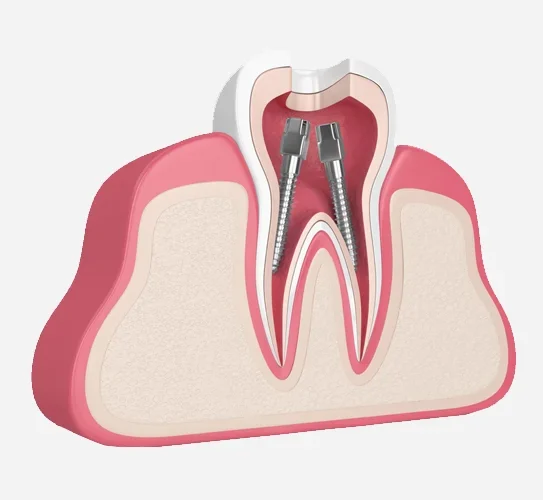
A pulpotomy removes affected pulp tissue from the crown portion of a primary tooth while preserving suitable tissue within the roots.
Pulpectomy
A pulpectomy removes pulp tissue from both the crown and root canals when disease extends farther into the tooth.
Restoring the Tooth After Pulp Therapy
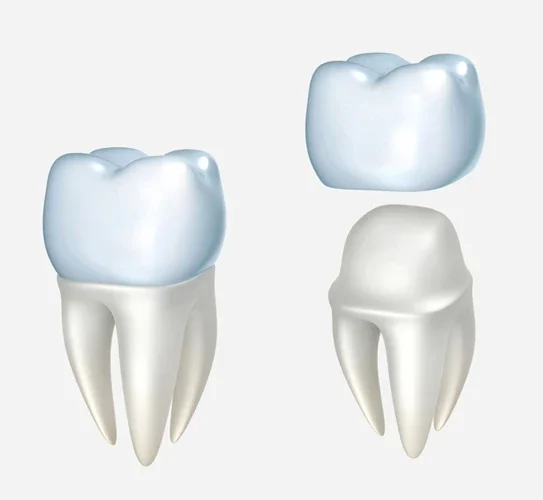
After treatment, the tooth needs to be sealed and restored. Depending on the remaining tooth structure and clinical needs, a filling, crown, or another suitable restoration may be recommended.
We determine the appropriate treatment after evaluating your child rather than assuming every damaged baby tooth requires the same procedure.
What Happens During Your Child’s Root Canal Appointment?
Step 1: Examining the Tooth
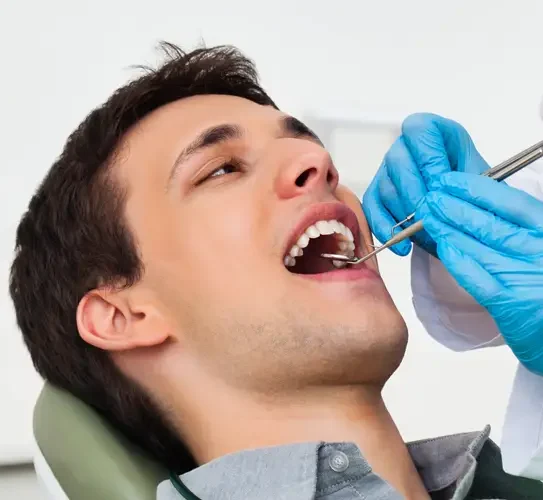
We assess the tooth, gums, symptoms, and dental development. Digital X-rays may be taken when clinically appropriate to evaluate the roots and surrounding structures.
Step 2: Numbing the Treatment Area
Local anesthetic is used to numb the tooth and nearby tissues before pulp treatment begins.
Step 3: Treating the Affected Pulp
The affected pulp is carefully treated according to the procedure considered appropriate for your child’s tooth.
Step 4: Sealing and Restoring the Tooth
The treated area is sealed, and an appropriate restoration is used to protect the remaining tooth structure and support function.
Step 5: Reviewing Home Care
Before your child leaves, we review eating, brushing, temporary tenderness, and any follow-up care needed.
Helping Your Child Recover After Treatment
Temporary tenderness can occur after pediatric pulp therapy, and recovery varies according to the tooth and treatment performed.
Follow our instructions about eating while your child is still numb so they do not accidentally bite the lip, cheek, or tongue. Continue brushing gently around the treated area and protect any temporary or final restoration as directed.
Use pain medication only according to recommendations from your child’s dentist or healthcare professional.
Contact us if pain becomes worse rather than better, swelling increases, fever develops, or another symptom causes concern.
Why Parents Choose Our Office for Baby Tooth Pulp Care
Careful diagnosis is important when treating a developing smile. We use digital dental imaging when clinically appropriate to evaluate the affected tooth, roots, and surrounding structures before planning treatment.
We also provide personalized, unhurried care, taking time to explain what is happening inside the tooth, why treatment may be recommended, and what parents can expect afterward.
We welcome families from Laguna, Parkway, Florin, Freeport, Vineyard, and nearby communities.
Help Preserve Your Child’s Tooth When Possible
If your child has persistent tooth pain, swelling, sensitivity, or a deep cavity, we can evaluate whether the tooth may be preserved or requires another form of treatment.
Parents searching for a pediatric root canal near me can visit our Sacramento office.
Frequently Asked Questions
Local anesthetic is commonly used to numb the treatment area and reduce discomfort. Some temporary soreness may occur afterward, depending on the procedure and condition of the tooth.
Sometimes. Preserving a restorable baby tooth can support chewing, speech, and space for the permanent tooth until it is closer to natural shedding.
Appointment length varies according to the pulp treatment needed, tooth involved, diagnostic requirements, and final restoration.
A pulpotomy is one type of pulp therapy sometimes described informally as a baby root canal. It differs from a pulpectomy because it does not treat the root canals in the same way.
Age alone does not determine suitability. We consider the tooth’s condition, dental development, medical history, infection status, and other clinical findings.
Cost depends on the treatment needed, tooth involved, diagnostic imaging, restoration, and insurance benefits. We can review expected costs after evaluating your child.