Dental Care for Children With Special Needs in Sacramento
Dental visits can be challenging for some autistic children because of unfamiliar sounds, touch, tastes, routines, or surroundings. At Perfect Smile Dental of Sacramento, we provide individualized dental care for children with autism and other special healthcare needs. We start by learning about your child’s communication preferences, sensory needs, medical history, and previous dental experiences rather than making assumptions based on a diagnosis.
How We Personalize Dental Visits for Children With Autism
Our approach to dental care for autistic children begins with information from parents and caregivers. We adapt our approach when possible based on your child’s needs, responses, and the dental care being provided.
Sensory Considerations for Light, Sound, and Touch
Parents can tell us about sensitivities involving sound, touch, tastes, textures, or other aspects of the dental environment. This information may help us introduce parts of the visit more gradually when appropriate.
Communication Support
Some children may respond better to simple explanations, demonstrations, gestures, or caregiver guidance. For nonspeaking children, we can also pay attention to body language and established ways of communicating comfort or distress.
Gradual Introductions and Appropriate Pacing
We provide personalized, unhurried care, allowing us to adjust how parts of the appointment are introduced when clinically appropriate.
Parent and Caregiver Involvement
Caregivers often know which routines, words, or strategies work best for their child. Sharing this information can help us better understand how to approach the visit.
Dental Care for Children With Autism and Special Needs
Autistic children generally need the same preventive and restorative dental services as other children. What may differ is how those services are introduced or completed.
Routine Dental Exams and Cleanings
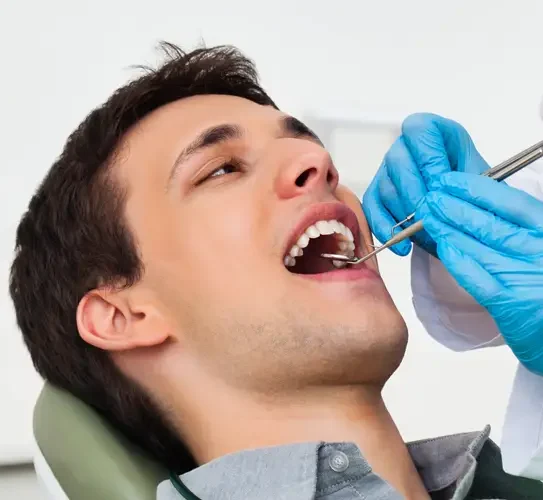
Exams allow us to evaluate teeth, gums, oral development, and signs of decay. A professional cleaning may also be completed when appropriate.
Fluoride Treatments and Dental Sealants
Fluoride and sealants may provide additional cavity protection for selected children based on oral health and cavity risk.
Dental Fillings and Restorative Care
If decay or tooth damage requires treatment, we discuss suitable restorative options with the caregiver and consider both clinical needs and the child’s ability to tolerate the procedure.
Sedation When Appropriate
Sedation may be considered for some pediatric procedures when anxiety, treatment complexity, or difficulty tolerating care makes it clinically appropriate. Medical history, medications, treatment needs, and potential risks and benefits are considered before sedation is recommended.
What to Expect at Your Child’s First Special Needs Dental Visit
The first appointment helps us learn about your child and determine what can be safely and appropriately completed.
Step 1: Share Medical and Sensory Information
Tell us about your child’s medical history, medications, allergies, communication methods, sensory sensitivities, and previous dental experiences.
Step 2: Become Familiar With the Dental Setting
Your child may need time to become accustomed to the environment, dental team, and unfamiliar equipment before proceeding further.
Step 3: Complete the Examination as Appropriate
We perform the examination according to your child’s clinical needs and response. A cleaning, imaging, or other care may sometimes require a later appointment.
When clinically appropriate and tolerated, our advanced dental technology, including digital imaging, can provide additional information for diagnosis and treatment planning.
Step 4: Review the Care Plan
We explain our findings and discuss preventive recommendations or treatment options with the caregiver. Clear patient education helps families understand how and when future care may be completed.
How to Prepare Your Autistic Child for a Dental Appointment
Preparation at home can make parts of the dental visit feel more familiar.
Use Visuals and Practice at Home
Social stories, picture schedules, dental-themed books, or simple role-playing may help some children understand what to expect. If your child is comfortable, you can practise opening the mouth or counting teeth without forcing participation.
Bring Familiar Items and Share Helpful Strategies
A preferred comfort item may be useful for some children. Let us know beforehand about sensory triggers, allergies, medications, communication preferences, and calming strategies.
Build a Consistent Home-Care Routine
Try to make brushing part of a predictable daily routine. Choose a toothbrush and fluoride toothpaste your child can tolerate, and provide caregiver assistance when needed.
We welcome families from Laguna Trail, Mack Road, Laguna, Meadowview, Vineyard, and surrounding Sacramento communities.
Plan a Dental Visit Around Your Child’s Needs
Parents searching for a pediatric dentist for autism near me can contact our Sacramento office to discuss their child’s needs and arrange a visit.
Frequently Asked Questions
Yes. Dental care can often be adapted according to a child’s individual sensory needs and the treatment being provided.
Some children need additional time or gradual exposure before a complete examination is possible. We consider the child’s response and clinical needs rather than forcing a particular step.
Yes. Caregiver input, body language, gestures, visual supports, and the child’s established communication methods may help guide the appointment.
Autism alone does not determine whether sedation is appropriate. The dentist considers medical history, medications, treatment needs, and potential risks and benefits first.
Coverage depends on the insurance plan, treatment, eligibility requirements, and any required authorization. Insurance verification does not guarantee coverage or payment.
Many children have preventive visits about every six months, although the schedule may vary based on cavity risk, oral hygiene, treatment needs, and overall oral health.